Could the secret to healthier fish in aquaponics be hiding in plain sight, right in their own water? Exciting findings from Kenya suggest this might be the case. Researchers explored Lake Victoria, looking for tiny natural allies for fish. Their study, “Probiotic properties of Lactobacillus spp. from Lake Victoria as potential feed supplement in aquaponic production system,” set to be published in The Microbe in June 2025, dives into this very question. The goal is to find better ways to keep fish healthy, reducing the need for medicines that can sometimes cause more problems down the line.
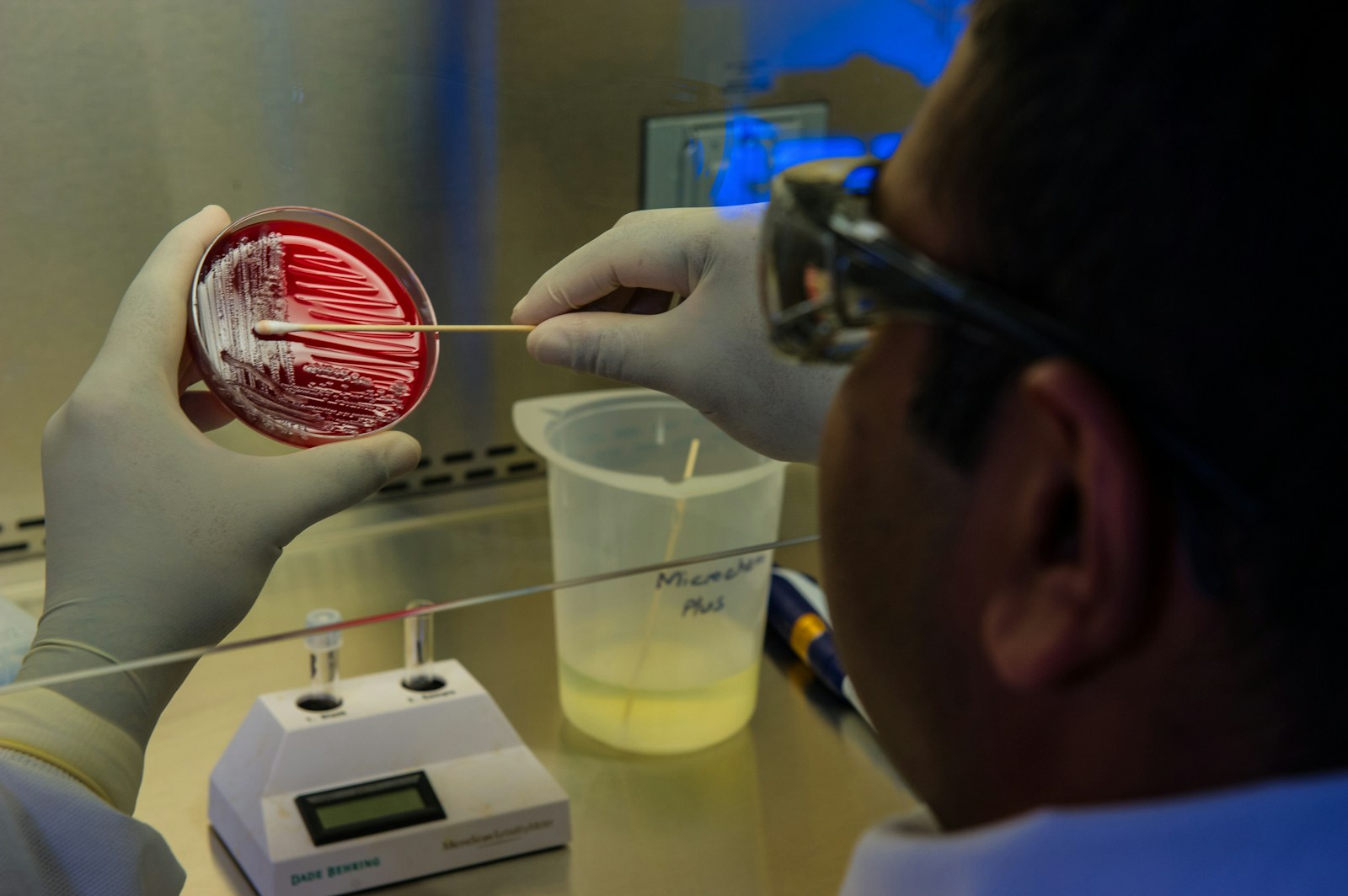
The scientists got their hands wet, so to speak. They collected samples from Nile tilapia – from their skin, gills, and inside their bellies. They also took samples from the lake water and the sediment at the bottom. Their mission? To find a special kind of helpful bacteria called Lactobacillus. Think of these as “good germs” or probiotics. Once they found some candidates, they put them through a series of tough tests in the lab. They needed to see if these tiny organisms could survive the harsh, acidic conditions similar to a fish’s stomach. They also checked if they could handle salty water, as water conditions in tanks can sometimes change. Crucially, they tested if these bacteria could fight off common harmful bacteria, like E. coli and S. aureus, which can make fish sick.
The team successfully isolated ten different types of Lactobacillus. The results from the lab tests were largely positive. Most of these tiny contenders showed they could indeed survive in very acidic environments. This is important because it means they could likely pass through a fish’s stomach alive and get to work in the intestines. All ten types also coped well with high salt levels, which is a handy trait for life in an aquaponics system. Perhaps most interesting, several of these Lactobacillus types showed they could stop the growth of the harmful bacteria. One particular isolate was a standout performer in this “germ warfare.”
So, what’s the takeaway for those of us working to improve aquaponics? If these locally sourced bacteria work as well in real fish as they do in the lab, they could become a valuable tool. Using such probiotics could lead to stronger, healthier fish. This, in turn, could mean less reliance on antibiotics and a more natural, sustainable approach to fish farming. Finding these beneficial microbes in the fish’s own environment is a big plus, as they are already adapted to those conditions.
However, it’s wise to keep our enthusiasm grounded for now. These encouraging results come from laboratory settings. The researchers themselves are clear that the next vital step is to conduct in vivo studies. This means testing these promising bacteria in live fish within actual aquaponic systems to see if they truly boost health and growth. So, while the initial signs from Lake Victoria are good, further research is needed before these tiny helpers are ready for widespread use. This study certainly shines a light on the potential hidden within local ecosystems, a path worth exploring for a more secure food and water future.