Month: May 2025

  • How Our Food Systems Impact National Health – And What We Can Do!

    How Our Food Systems Impact National Health – And What We Can Do!

    Just released on May 19, 2025, a significant paper called Food Rx: Integrating horticulture research to improve nutrition and health is making waves! This US study dives deep into a national health crisis largely caused by what people are (and aren’t) eating. It’s a wake-up call that has lessons for everyone involved in producing food.

    So, what’s the big deal? Researchers found that not enough fruits and vegetables are being grown or eaten, leading to widespread health issues. They argue that the folks who grow our food (horticulture), nutrition scientists, and medical doctors haven’t been working together closely enough to tackle this problem.

    The paper is a call to action! It pushes for:

    • Growing A LOT more healthy fruits and veggies.
    • Making these healthy foods easy for everyone to get and afford.
    • More research into the best ways to grow super-nutritious food efficiently.
    • A real team effort between food producers, health experts, and doctors.

    How does this affect our work with integrated fish and plant systems? It shines a spotlight on why these systems are so important! By growing fresh, healthy food locally, often with great nutritional benefits, integrated systems can be a key part of the solution to making communities healthier. This paper supports the idea that innovative food production, like the methods we champion, is crucial for a healthier future. Let’s keep leading the way in showing how to grow nutritious food smartly!
  • Friendly Bacteria from Kenya’s Great Lake: A Natural Boost for Aquaponic Fish?

    Friendly Bacteria from Kenya’s Great Lake: A Natural Boost for Aquaponic Fish?

    Could the secret to healthier fish in aquaponics be hiding in plain sight, right in their own water? Exciting findings from Kenya suggest this might be the case. Researchers explored Lake Victoria, looking for tiny natural allies for fish. Their study, “Probiotic properties of Lactobacillus spp. from Lake Victoria as potential feed supplement in aquaponic production system,” set to be published in The Microbe in June 2025, dives into this very question. The goal is to find better ways to keep fish healthy, reducing the need for medicines that can sometimes cause more problems down the line.

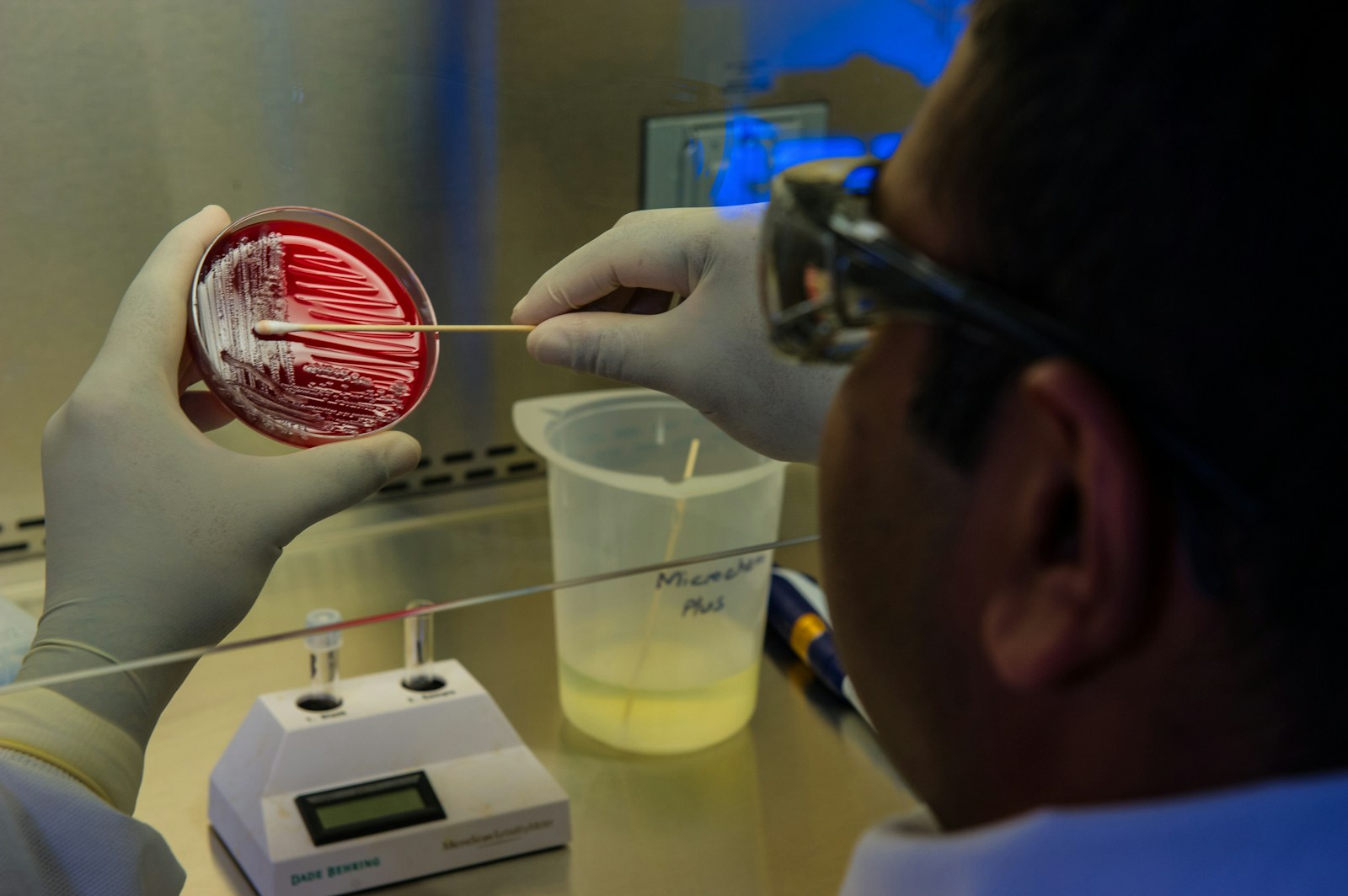
    The scientists got their hands wet, so to speak. They collected samples from Nile tilapia – from their skin, gills, and inside their bellies. They also took samples from the lake water and the sediment at the bottom. Their mission? To find a special kind of helpful bacteria called Lactobacillus. Think of these as “good germs” or probiotics. Once they found some candidates, they put them through a series of tough tests in the lab. They needed to see if these tiny organisms could survive the harsh, acidic conditions similar to a fish’s stomach. They also checked if they could handle salty water, as water conditions in tanks can sometimes change. Crucially, they tested if these bacteria could fight off common harmful bacteria, like E. coli and S. aureus, which can make fish sick.

    The team successfully isolated ten different types of Lactobacillus. The results from the lab tests were largely positive. Most of these tiny contenders showed they could indeed survive in very acidic environments. This is important because it means they could likely pass through a fish’s stomach alive and get to work in the intestines. All ten types also coped well with high salt levels, which is a handy trait for life in an aquaponics system. Perhaps most interesting, several of these Lactobacillus types showed they could stop the growth of the harmful bacteria. One particular isolate was a standout performer in this “germ warfare.”

    So, what’s the takeaway for those of us working to improve aquaponics? If these locally sourced bacteria work as well in real fish as they do in the lab, they could become a valuable tool. Using such probiotics could lead to stronger, healthier fish. This, in turn, could mean less reliance on antibiotics and a more natural, sustainable approach to fish farming. Finding these beneficial microbes in the fish’s own environment is a big plus, as they are already adapted to those conditions.

    However, it’s wise to keep our enthusiasm grounded for now. These encouraging results come from laboratory settings. The researchers themselves are clear that the next vital step is to conduct in vivo studies. This means testing these promising bacteria in live fish within actual aquaponic systems to see if they truly boost health and growth. So, while the initial signs from Lake Victoria are good, further research is needed before these tiny helpers are ready for widespread use. This study certainly shines a light on the potential hidden within local ecosystems, a path worth exploring for a more secure food and water future.

  • Can Computers Help Keep Aquaponics Water Healthy?

    Can Computers Help Keep Aquaponics Water Healthy?

    From India comes a research paper, published in April 2025. It’s called “Design and Development of a Machine Learning-Based Decision Support System for Water Quality Prediction in Aquaponic Farming.” The researchers are looking at using computers to help aquaponics farmers. Their goal is to predict if the water is good for fish and plants.

    Keeping aquaponics water just right can be tricky. This new study tried to make it easier. Scientists in India used ‘machine learning’ – teaching computers to find patterns in data. They fed a computer information about water from West Bengal. This included details like water temperature, oxygen levels, and amounts of ammonia and nitrite.

    The computer learned from this data. Its job was to guess if the water was good for plants, bacteria, and different types of fish. And, if the water wasn’t good, the system was designed to suggest ways to fix it. This is a step beyond just knowing there’s a problem; it’s about getting advice on what to do next.

    So, how well did the computer do? The study says their system made correct guesses about 9 out of 10 times in tests (around 90% accuracy). That’s a good start. The computer also helped show which water details were most important. Things like dissolved oxygen (how much air is in the water), nitrite, and ammonia seemed to be key clues for good or bad water. The team even built a basic website where a farmer could enter water test results and get advice.

    Ideas like this could be really helpful. If computers can warn farmers about water problems early, it might save fish and plants. This could make aquaponics more reliable. But, we should also be a little careful. This system worked well in tests with specific data. Real farms have all sorts of surprises. The researchers themselves say more work is needed to make it even better. Computers learning in a lab is one thing; tools working daily on a busy farm is another.

    This Indian study offers an interesting look at using smart technology for aquaponics. Using computers to predict water quality and guide farmers is a promising idea. If these systems prove reliable and easy to use on many farms, they could be great tools for better aquaponics.

  • FLOCponics: A Boost for Catfish and Lettuce, But Eels Prove Tricky

    FLOCponics: A Boost for Catfish and Lettuce, But Eels Prove Tricky

    Could a special mix of microbes in fish water, known as biofloc, be the key to growing more fish and plants together? A recent paper from South Korea, titled “Indoor application of a coupled FLOCponics system with caipira lettuce (Lactuca sativa) affects the growth performance and water characteristics for Far Eastern catfish (Silurus asotus) and tropical eel (Anguilla bicolor)” and made available as a preprint in May 2025, explores this very idea. Researchers investigated if combining biofloc technology (BFT) with aquaponics, a system they call “FLOCponics,” could improve how we farm these high-value species.

    The study compared traditional flow-through systems with BFT alone and the FLOCponics setup for growing Far Eastern catfish and tropical eels, alongside caipira lettuce. The good news? Both catfish and eels grew better in the FLOCponics and BFT systems than in the standard flow-through tanks. This suggests the biofloc, which is a mix of tiny living things like bacteria, might be helping the fish thrive, perhaps by providing extra food or keeping the water cleaner. For the plants, lettuce grown with water from the catfish tanks did just as well as lettuce grown in a typical hydroponics system. This is a big plus, showing fish water can indeed be rich enough for healthy crops.

    However, it wasn’t all smooth sailing. When lettuce was paired with the tropical eels in the FLOCponics system, the plant roots started to degrade, leading to smaller lettuce. The researchers think this might be due to too many solids from the eel system or perhaps changes in water chemistry, like higher sodium from pH adjustments, affecting the delicate roots. Water quality, in terms of harmful ammonia and nitrite, remained stable across the tests, which is important for fish health. Nitrate, a plant nutrient, was used up by the lettuce in the FLOCponics system, which is exactly what we want to see.

    This research hints at the potential of FLOCponics to make aquaculture more efficient. Yet, the eel-lettuce problem highlights a critical point: what works for one fish species might not work for another, or for all plants. It’s a reminder that while new methods are exciting, they often need careful tweaking. As this is a preprint study, it hasn’t yet undergone the full scrutiny of peer review by other scientists.

    Still, it provides useful food for thought on how we can better integrate fish and plant farming, though we’ll need more research to iron out the kinks, especially for sensitive species combinations.